

Caring for a blind dog requires patience, understanding, and a willingness to adapt your home and routines to accommodate their unique needs. As a supplier at For Dogs, I've seen firsthand how a little extra care can make a world of difference for these special animals. In this blog post, I'll share some practical tips on how to take care of a blind dog, ensuring they live a happy, healthy, and fulfilling life.
Understanding Your Blind Dog's World
The first step in caring for a blind dog is to understand their perspective. Losing their sight can be a disorienting and stressful experience, but with time and support, they can adapt to their new reality. Blind dogs rely heavily on their other senses, such as smell, hearing, and touch, to navigate their environment. They may also develop a heightened sense of these senses to compensate for their loss of vision.
When interacting with your blind dog, it's important to use clear and consistent verbal cues. For example, you can use a specific word or phrase to let them know when it's time to eat, go outside, or come to you. You can also use touch to communicate with them, such as gently petting them or guiding them with your hand.
Creating a Safe and Predictable Environment
One of the most important things you can do for your blind dog is to create a safe and predictable environment. This means keeping your home free of clutter and obstacles, and making sure your dog has a clear path to move around. You can also use scents or textures to help your dog navigate, such as placing a rug or mat in front of their food and water bowls, or using a scented spray to mark important areas.
It's also a good idea to keep your dog's routine as consistent as possible. This includes feeding them at the same time each day, taking them for walks at the same time each day, and providing them with a regular schedule of play and rest. By creating a predictable routine, your dog will feel more secure and confident in their environment.
Providing Mental and Physical Stimulation
Just like any other dog, blind dogs need mental and physical stimulation to stay healthy and happy. This can include playing games, going for walks, and providing them with interactive toys. You can also try teaching your dog new tricks or commands, which can help keep their mind active and engaged.
When playing with your blind dog, it's important to use toys that make noise or have a strong scent, such as squeaky toys or treat-dispensing toys. This will help your dog locate the toy and make the game more fun and engaging for them. You can also try playing hide-and-seek with your dog, using treats or toys to help them find you.
Using Assistive Devices
There are a number of assistive devices available that can help your blind dog navigate their environment more easily. One of the most popular devices is a Dog Harness For Winter, which can provide your dog with a sense of security and stability when walking. These harnesses are designed to fit snugly around your dog's body, and they often have a handle on the back that you can use to guide your dog.
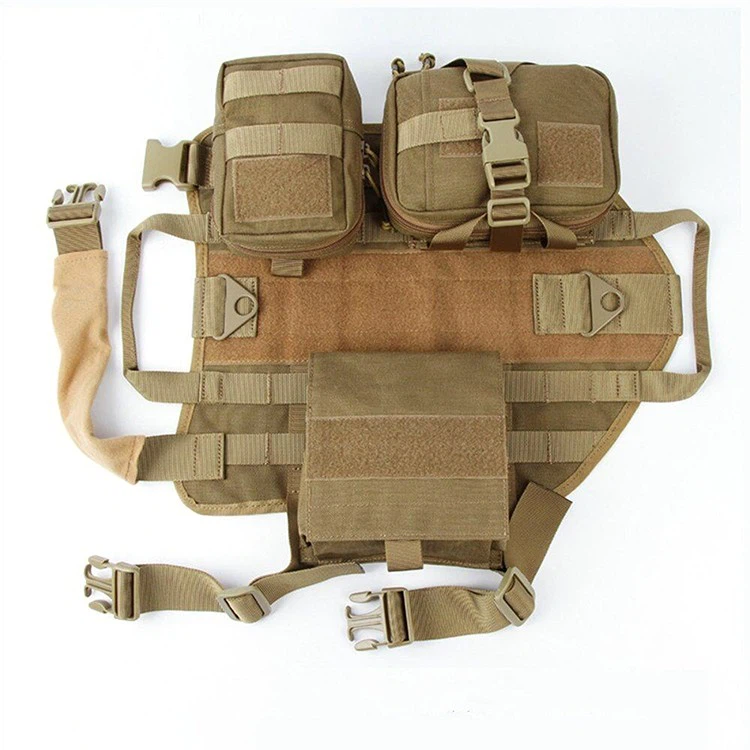
Another useful device is a Tactical Dog Backpack, which can help your dog carry their own supplies, such as food, water, and toys. This can be especially helpful if you take your dog on long walks or hikes. The backpack can also provide your dog with a sense of purpose and responsibility, which can help boost their confidence and self-esteem.
Socializing Your Blind Dog
Socialization is an important part of a dog's life, and it's especially important for blind dogs. By socializing your dog, you can help them feel more comfortable and confident around other people and animals. This can include taking your dog to the park, visiting friends and family, or enrolling them in a dog training class.
When socializing your blind dog, it's important to take things slowly and give them plenty of time to adjust. You can start by introducing your dog to one or two people or animals at a time, and gradually increase the number of people and animals as your dog becomes more comfortable. It's also important to supervise your dog at all times, and to intervene if they seem uncomfortable or stressed.
Monitoring Your Dog's Health
Just like any other dog, blind dogs need regular veterinary check-ups to ensure they are healthy and happy. This includes getting them vaccinated, dewormed, and treated for any health problems. You should also monitor your dog's weight, appetite, and behavior, and contact your veterinarian if you notice any changes.
In addition to regular veterinary check-ups, it's also important to take good care of your dog's eyes. This includes keeping their eyes clean and free of debris, and using eye drops or ointments as prescribed by your veterinarian. You should also avoid exposing your dog to bright lights or harsh chemicals, as these can damage their eyes.
Conclusion
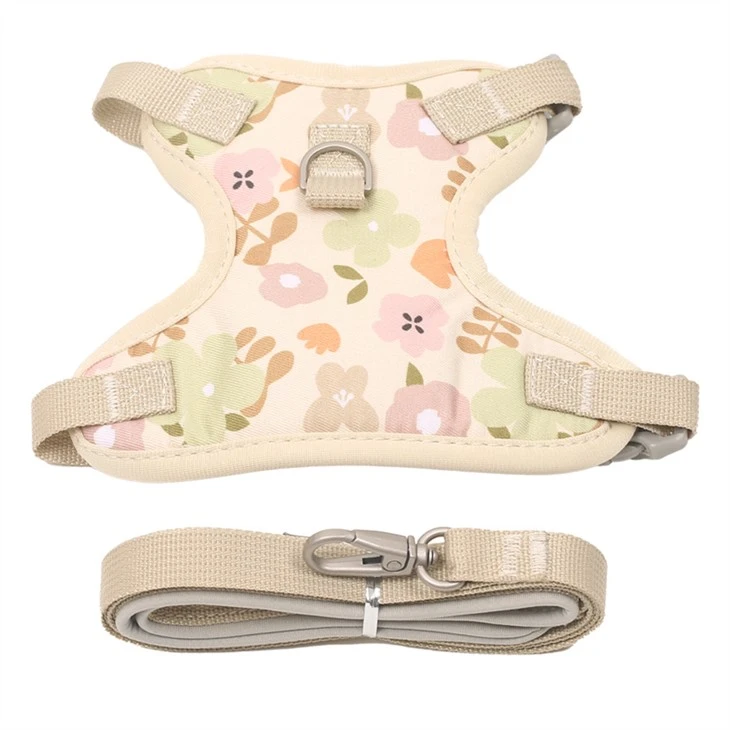
Caring for a blind dog can be a rewarding experience, but it also requires a lot of patience, understanding, and dedication. By following these tips, you can help your blind dog live a happy, healthy, and fulfilling life. And as a supplier at For Dogs, we're here to help you every step of the way. Whether you're looking for a Dog Harness For Winter, a Cat Harness and Leash(Flower), or a Tactical Dog Backpack, we have a wide range of products to meet your needs.
If you're interested in learning more about our products or would like to discuss your dog's specific needs, please don't hesitate to contact us. We're always happy to help!
References
- American Kennel Club. (n.d.). Caring for a Blind Dog. Retrieved from https://www.akc.org/expert-advice/health/caring-for-a-blind-dog/
- PetMD. (n.d.). Caring for a Blind Dog. Retrieved from https://www.petmd.com/dog/care/caring-blind-dog
- The Spruce Pets. (n.d.). How to Care for a Blind Dog. Retrieved from https://www.thesprucepets.com/caring-for-a-blind-dog-1117933