

Skin allergies are a common health issue among dogs, causing discomfort and distress to our furry friends. As a dedicated supplier at For Dogs, we understand the importance of addressing these concerns effectively. In this blog, we'll explore the causes, symptoms, and treatment options for dog skin allergies, along with some preventive measures to keep your dog's skin healthy.
Understanding Dog Skin Allergies
Dog skin allergies can be triggered by various factors, including environmental allergens, food ingredients, and parasites. Environmental allergens such as pollen, dust mites, and mold spores can cause allergic reactions in sensitive dogs. Food allergies, on the other hand, are often caused by ingredients like beef, dairy, wheat, and soy. Parasites like fleas and ticks can also lead to skin irritation and allergic reactions.
Recognizing the Symptoms
The symptoms of dog skin allergies can vary depending on the cause and severity of the allergy. Some common signs include itching, scratching, biting, licking, redness, inflammation, hair loss, scabs, and hot spots. Dogs may also experience ear infections, respiratory problems, and digestive issues. If you notice any of these symptoms in your dog, it's important to consult a veterinarian for a proper diagnosis and treatment plan.
Treatment Options
1. Veterinary Consultation
The first step in treating a dog's skin allergy is to consult a veterinarian. A vet can perform a thorough physical examination, conduct allergy tests, and recommend the most appropriate treatment options based on the underlying cause of the allergy. This may include medications, dietary changes, and environmental management.
2. Medications
There are several medications available to treat dog skin allergies, including antihistamines, corticosteroids, and immunosuppressive drugs. Antihistamines can help relieve itching and reduce inflammation, while corticosteroids can provide more powerful anti-inflammatory effects. Immunosuppressive drugs may be prescribed for severe allergies that do not respond to other treatments. However, these medications can have side effects, so it's important to use them under the guidance of a veterinarian.
3. Dietary Changes
If your dog has a food allergy, your veterinarian may recommend a hypoallergenic diet. This type of diet typically contains novel protein sources and limited ingredients to minimize the risk of allergic reactions. Some common novel protein sources include venison, duck, rabbit, and fish. It's important to follow the diet strictly and avoid feeding your dog any table scraps or treats that may contain the allergenic ingredients.
4. Environmental Management
To reduce your dog's exposure to environmental allergens, you can take several steps. Keep your home clean and vacuum regularly to remove dust and pollen. Wash your dog's bedding frequently in hot water to kill dust mites. Use air purifiers and HEPA filters to improve indoor air quality. During allergy season, try to keep your dog indoors as much as possible, especially during peak pollen times.
5. Natural Remedies
In addition to conventional treatments, some natural remedies may help relieve the symptoms of dog skin allergies. These include oatmeal baths, coconut oil, aloe vera, and fish oil supplements. Oatmeal baths can soothe itchy skin and reduce inflammation. Coconut oil can be applied topically to moisturize the skin and prevent dryness. Aloe vera has anti-inflammatory and antibacterial properties that can help heal skin irritations. Fish oil supplements are rich in omega-3 fatty acids, which can reduce inflammation and improve skin health.
Preventive Measures
1. Regular Grooming
Regular grooming is essential for maintaining your dog's skin health. Brush your dog's coat regularly to remove dirt, debris, and loose hair. This can help prevent skin infections and reduce the risk of allergic reactions. Bathe your dog with a mild, hypoallergenic shampoo as recommended by your veterinarian.
2. Flea and Tick Control
Fleas and ticks can cause skin irritation and allergic reactions in dogs. Use a flea and tick prevention product recommended by your veterinarian to keep your dog protected. Check your dog for fleas and ticks regularly, especially after outdoor activities.
3. Healthy Diet
A balanced and nutritious diet is important for your dog's overall health, including skin health. Feed your dog a high-quality dog food that is appropriate for their age, breed, and activity level. Avoid feeding your dog foods that contain artificial colors, flavors, and preservatives, as these can potentially trigger allergic reactions.
4. Exercise and Mental Stimulation
Regular exercise and mental stimulation are important for your dog's physical and mental well-being. Exercise helps improve blood circulation, which can promote healthy skin. Mental stimulation can reduce stress, which can also have a positive impact on skin health.

Our Product Recommendations
At For Dogs, we offer a wide range of products that can help keep your dog comfortable and healthy. Our Basic Cushion Custom Printed Collar is not only stylish but also comfortable for your dog to wear. The soft cushion provides extra comfort, and you can customize it with your dog's name or other information.
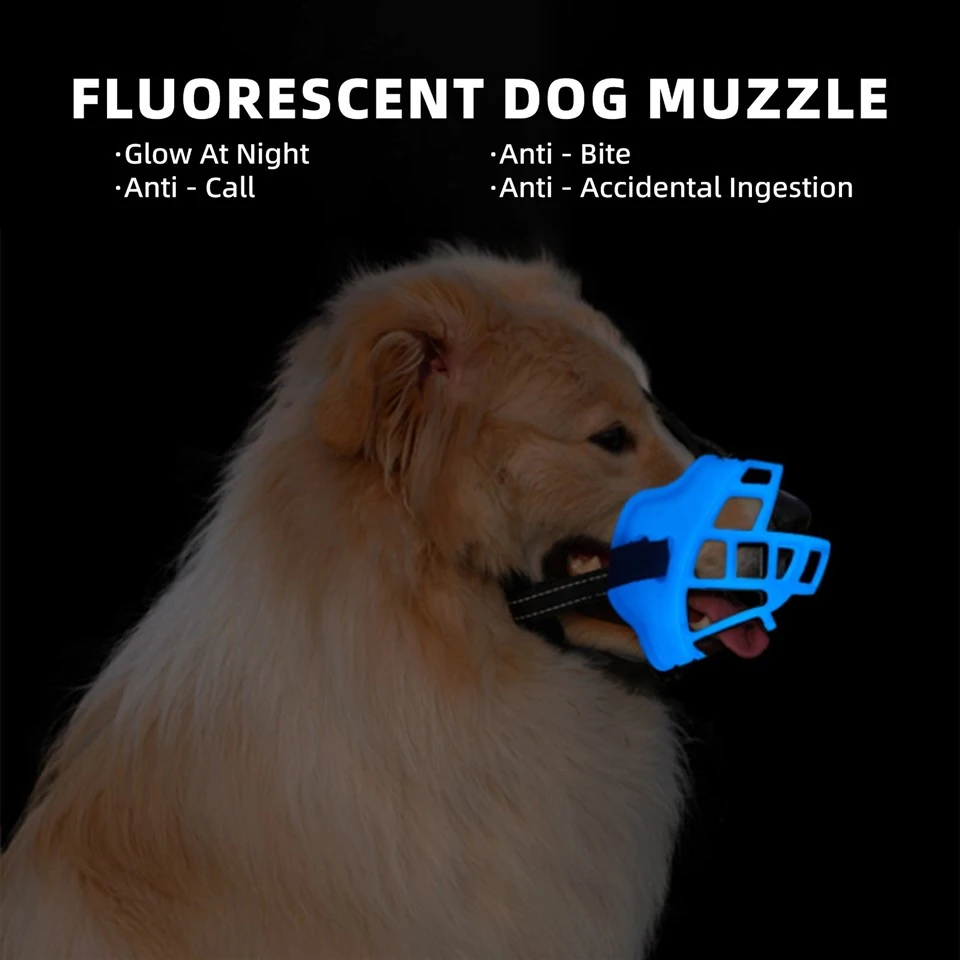
Our Basket Style Dog Muzzle is a great option for dogs that need to be muzzled for safety reasons. The basket design allows your dog to pant, drink, and even take treats while wearing the muzzle.
If you like to take your dog for walks at night, our Glow in The Dark Dog Harness is a must-have. The harness glows in the dark, making your dog more visible and safer during nighttime walks.
Contact Us for Procurement
If you're interested in purchasing our products or have any questions about dog skin allergies, please feel free to contact us. We're here to provide you with the best products and services to keep your dog happy and healthy. Whether you're a pet owner, a pet store, or a veterinary clinic, we welcome you to reach out for procurement and business cooperation.
References
- Bonagura, J. D., & Twedt, D. C. (Eds.). (2019). Kirk's Current Veterinary Therapy XV: Small Animal Practice. Elsevier.
- Ettinger, S. J., & Feldman, E. C. (Eds.). (2019). Textbook of Veterinary Internal Medicine: Diseases of the Dog and Cat. Elsevier.
- Lobprise, H. B. (2018). Handbook of Small Animal Dermatology. Elsevier.