


Anti-Slip Dog Harness Solutions | Manufacturer for Pet Brands & Wholesalers | Hangzhou Baiyi
Struggling with dog harness slippage for your product line? As a leading pet products manufacturer with 15,000㎡ factory, Hangzhou Baiyi provides OEM/ODM anti-slip harness solutions with rigorous QC. Get custom quotes for bulk orders. Trusted by sellers in 20+ countries.
Get customized solutions and quotes immediately
Professional Analysis of Slippage Issues
Why Do Dog Harnesses Slip? Key Design Considerations for Manufacturers
As professional manufacturers, we understand harness slippage not only affects user experience but directly impacts your brand reputation and return rates. Root causes typically involve:
1. Structural Design Flaws
Chest-to-neck ratio not aligned with canine ergonomics
Uneven force distribution causing center of gravity shift
Adjustment systems unable to accommodate diverse body types
2. Inappropriate Material Selection
Insufficient friction coefficient in lining fabrics
Imbalance between webbing elasticity and rigidity
Poor compatibility between buckles and connectors
3. Production Process Limitations
Insufficient cutting precision leading to asymmetry
Inadequate reinforcement at sewing stress points
Inconsistent quality control standards
Our Solution: Hangzhou Baiyi utilizes 3D canine body data modeling to develop breed-specific patterns, preventing slippage from the design source.
Baiyi Anti-Slip Manufacturing Solution System
Four Core Technologies Ensuring Product Stability
1. Scientific Pattern Design
Developed from 200+ breed body type database
Multiple structural solutions: Y-shape, H-shape, Vest-style
Front-clip no-pull professional designs
2. Professional Anti-Slip Material System
Material Combination Options:
├── High-Friction Lining (Silicone dot matrix/Mesh breathable fabric)
├── Military-grade Nylon Webbing (600D-1200D available)
├── Metal/Engineering Plastic Buckles (UTS certified)
└── Multi-Point Adjustment Systems (3-5 adjustment points)
3. Precision Manufacturing Processes
Laser Precision Cutting: ±0.5mm tolerance control
4-Needle 6-Thread Professional Stitching: Double reinforcement at key points
Pull Force Testing: Batch sampling for strength verification (50-150kg range)
4. End-to-End Quality Control
Quality Checkpoints:
Raw Material Inspection → First Article Inspection → In-Process Inspection → Final Full Inspection → Packaging Final Check
When dog owners look for ways to prevent their pets from slipping out of harnesses and collars, they're looking for practical solutions to keep their furry friends safe while on walks or enjoying the outdoors. This comprehensive guide will address this issue and provide effective strategies to keep your dog safe.
Understanding the Problem
Dogs may slip out of harnesses and collars for various reasons:
Improper fit
Incorrect harness or collar type
Lack of training
Fear or anxiety
Discomfort
Curiosity or desire to explore
Prey drive
Addressing these issues is crucial for your dog's safety and your peace of mind. Let's delve into each aspect of prevention in detail.
Proper Fitting: The Foundation of Security
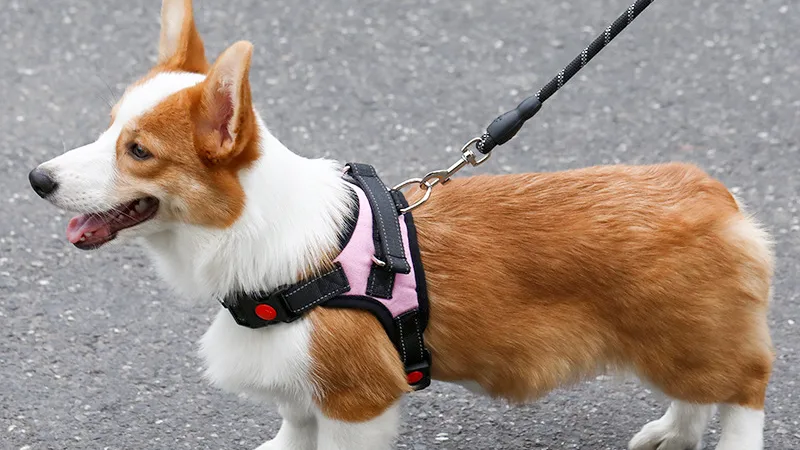
Ensuring a proper fit is the first and most crucial step in preventing escapes. A well-fitted harness or collar significantly reduces the chances of your dog slipping out.
Accurate Measurements:
Use a soft measuring tape for your dog's neck and chest
For collars: Add 2 inches to neck measurements
For harnesses: Measure between shoulders and behind elbows
Consider your dog's weight and body shape
Adjustability:
Choose harnesses and collars with multiple adjustment points
This allows customization for your dog's unique body shape
Look for equipment with at least 3-4 adjustment points
The Two-Finger Rule:
You should be able to fit two fingers between the harness/collar and your dog's skin
Too loose: risk of slipping off
Too tight: can cause discomfort or restrict breathing
Regular Reassessment:
Check the fit every few weeks, especially for growing puppies
Adjust for seasonal changes in coat thickness
Monitor for weight changes that may affect fit
Selecting the Right Equipment
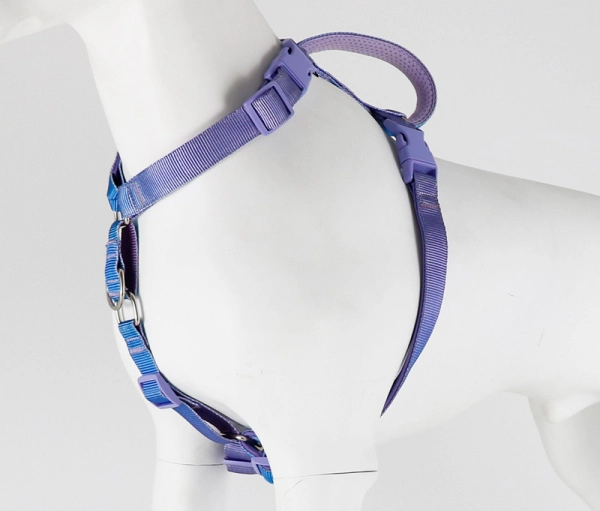
Choosing appropriate gear is essential for preventing escapes. Different types of harnesses and collars offer various benefits.
Escape-Proof Harnesses:
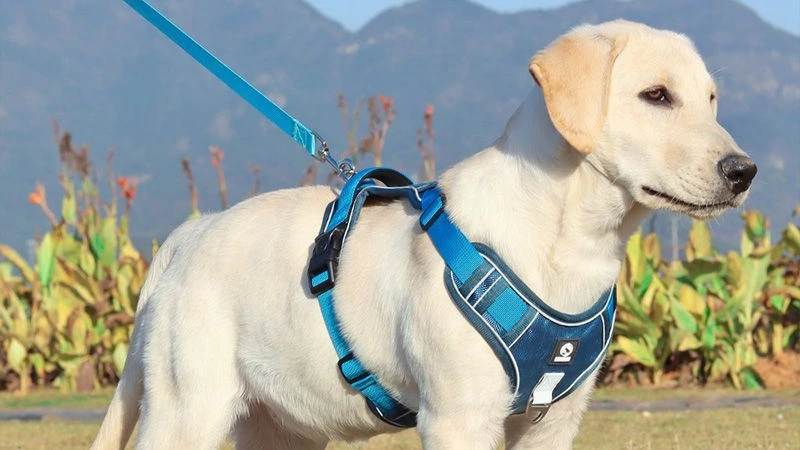
Features:
Limited slip design
Tightens under pressure
Front and back leash attachments
Examples:
Ruffwear Flagline Harness
Rabbitgoo Escape Proof Dog Harness
Mihachi Large Secure Dog Harness
Benefits:
Difficult for dogs to back out of
Provides better control during walks
Martingale Collars:
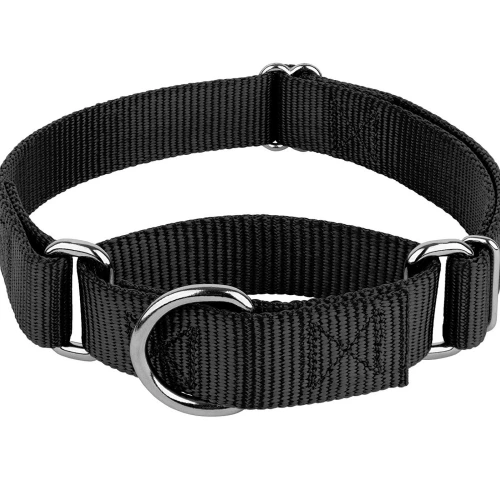
Tighten slightly when pulled
Prevent escape while maintaining comfort
Ideal for dogs with narrow heads (e.g., Greyhounds, Whippets)
Safer alternative to choke chains
Dual-Clip Harnesses:
Allow leash attachment at front and back
Provide better control
Help keep harness in place
Useful for dogs that tend to pull on the leash
Step-In Harnesses:
Easy to put on and take off
Distribute pressure evenly across the chest
Less likely to slip off if properly fitted
Head Halters:
Provide excellent control for strong pullers
Discourage pulling behavior
Require proper introduction and training
Training Techniques for Secure Walks
Proper training complements well-fitted gear and is crucial for preventing escapes.
Leash Training:
Teach calm walking behavior
Reduces pulling, keeping harness in place
Use positive reinforcement techniques
Practice in low-distraction environments first
Anti-Backing Up Commands:
Discourage sudden movements that could lead to slipping
Teach commands like "wait" or "stay"
Reward your dog for maintaining position
Desensitization:
Gradually expose your dog to situations that may cause anxiety
Helps prevent fear-based escape attempts
Use treats and praise to create positive associations
Recall Training:
Teach a strong "come" command
Practice in various environments
Use high-value rewards for compliance
Harness/Collar Acceptance:
Introduce equipment gradually
Associate wearing gear with positive experiences
Practice short sessions of wearing harness/collar indoors
Distraction Training:
Teach your dog to focus on you despite environmental stimuli
Use the "look at me" or "watch" command
Reward eye contact and attention
Additional Security Measures
While proper fitting and training are essential, additional security measures can provide extra peace of mind.
Connector Straps:
Attach both collar and harness
Provides extra security if one fails
Ensures a backup if your dog manages to slip out of one
Regular Fit Checks:
Especially important for growing dogs
Check for signs of discomfort or shifting during walks
Adjust as needed before each outing
Balanced Accessories:
If using harnesses with additional features (e.g., saddle bags)
Ensure even distribution to prevent shifting
Avoid overloading, which can cause discomfort
GPS Trackers:
Attach a small GPS device to your dog's collar or harness
Helps locate your dog quickly if they do escape
Provides real-time location updates
Identification Tags:
Ensure your dog wears up-to-date ID tags
Consider microchipping as a permanent form of identification
Include your contact information on both collar and harness
Addressing Specific Concerns
Different dogs may have unique needs or challenges when it comes to preventing escapes.
For Anxious Dogs:
Consider calming aids (e.g., ThunderShirt)
Use pheromone sprays or collars to reduce stress
Consult with a professional trainer or behaviorist
Gradually expose them to anxiety-inducing situations
For Persistent Escape Artists:
Use a combination of methods (e.g., escape-proof harness with a martingale collar)
Increase supervision during walks
Consider using a long-line for added control in open areas
Work on building a stronger bond through training and positive experiences
For Dogs with Unique Body Shapes:
Look for breed-specific harnesses
Consider custom-fitted options
Pay extra attention to fit around shoulders and chest
For Senior Dogs or Those with Mobility Issues:
Choose harnesses with padded straps for comfort
Look for designs that don't restrict movement
Consider harnesses with handles for assistance
For Puppies:
Use adjustable harnesses that can grow with them
Check fit frequently as they grow
Focus on positive associations with wearing gear
Maintenance and Care
Proper maintenance of harnesses and collars is crucial for their effectiveness and your dog's comfort.
Regular Cleaning:
Keep harnesses and collars clean to prevent chafing
Follow manufacturer's care instructions
Hand wash or machine wash on a gentle cycle
Air dry to prevent shrinkage or damage
Inspect for Wear and Tear:
Check for frayed edges, loose stitching, or worn materials
Examine buckles, clips, and D-rings for damage
Replace equipment as needed, typically every 1-2 years
Seasonal Adjustments:
Account for changes in your dog's coat thickness
Adjust fit accordingly, especially during shedding seasons
Consider different harness styles for different weather conditions
Proper Storage:
Store harnesses and collars in a cool, dry place
Avoid direct sunlight, which can degrade materials
Keep out of reach of chewing puppies or destructive dogs
Rotate Equipment:
If possible, have multiple harnesses or collars
Rotating equipment can extend their lifespan
Allows for thorough cleaning and drying between uses
Environmental Considerations
The environment in which you walk your dog can impact the likelihood of escapes.
Familiar Routes:
Start with familiar, low-distraction routes
Gradually introduce new environments as your dog becomes more comfortable
Avoid High-Stress Areas:
Be aware of locations that may cause anxiety for your dog
Gradually desensitize them to these areas over time
Weather Conditions:
Be mindful of how weather affects your dog's behavior
Thunderstorms or fireworks may increase escape attempts
Consider indoor activities during extreme weather
Time of Day:
Choose walking times when distractions are minimal
Early morning or late evening walks may be calmer
Leash-Free Areas:
Use extra caution in off-leash areas
Ensure recall is solid before allowing off-leash time
Consider long-lines for added security in open spaces
Conclusion
Preventing dogs from slipping out of harnesses and collars requires a comprehensive approach:
Ensure proper fit through accurate measurements and regular adjustments
Choose appropriate equipment designed to prevent escapes
Implement effective training techniques
Use additional security measures when necessary
Address specific concerns based on your dog's individual needs
Maintain and care for your dog's gear
Be mindful of environmental factors that may influence escape attempts
Why Choose Hangzhou Baiyi?
Your Professional Pet Supplies Manufacturing Partner
✅ Scalable Production Capacity
15,000 sqm modern facility
12 specialized production lines
Monthly capacity 200,000+ units
✅ Comprehensive QC System
30-person professional QC team
16 checkpoints from raw materials to finished goods
AQL 2.5 standard implementation
✅ Global Market Experience
Products exported to 20+ countries (USA, Germany, Japan, etc.)
Familiar with Amazon, Chewy, etc. platform compliance
Annual export value exceeding $5M
✅ One-Stop Service
OEM/ODM customization support
Small batch sampling (from 100 pieces)
Bulk production (discounts for 1,000+ units)
Complementary product supply (leashes, collars, etc.)
✅ Rapid Response System
Preliminary quote within 24 hours
7-10 day sampling cycle
30-45 day bulk delivery
